
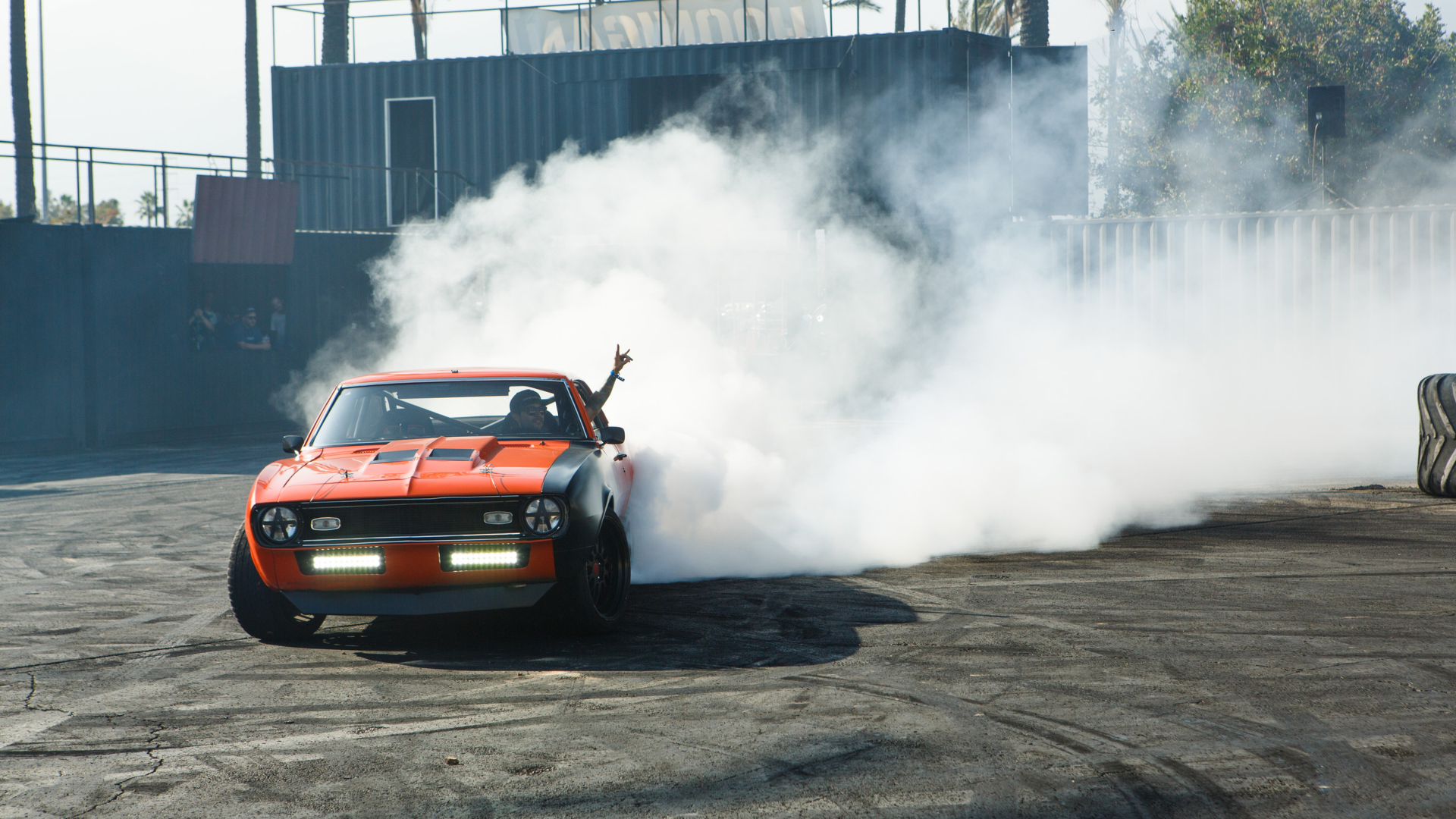
When you start your car, it’s normal to see a small puff of smoke coming out of the exhaust, especially in winter. But if that smoke lingers, has a particular colour, and gets denser, it’s often a sign that something is wrong with the engine. Observing its colour can help you identify the source of the problem.
White Smoke
A light white puff when starting the engine is usually harmless, caused by evaporating condensation.
However, thick and continuous white smoke is a warning sign. It may indicate that coolant is leaking into the combustion chamber, often due to a worn head gasket, a cracked cylinder head, or a damaged engine block.
If coolant mixes with fuel, the engine can overheat quickly.
Main possible causes :
- Damaged head gasket: coolant seeps into the combustion chamber.
- Cracked cylinder head: coolant enters the engine abnormally.
- Damaged engine block: cracks allow coolant and fuel to mix.
If you notice more white smoke than usual, you can treat your engine with our Xtreme diesel – or Petrol – Emission reducer, designed to reduce harmful exhaust emissions.
And for more information on what causes white smoke and the possible treatments, you can check out our article: What causes white smoke to come out of the exhaust and how to fix it
Blue Smoke
Blue smoke from the exhaust is a clear sign that the engine is burning oil. This can result from worn piston rings, leaky valve seals, or a failing turbocharger. In addition to increasing pollution, excessive oil consumption can lower oil levels dangerously and put the engine’s lifespan at risk.
Main possible causes :
- Worn piston rings: oil slips into the cylinders.
- Leaky valve seals or valve guides: oil flows into the combustion chamber.
- Faulty turbocharger: bearings leak oil into the air intake system.
For more details on this issue and the solutions, you can read our article: Blue exhaust smoke: why it happens and how to clean it?
Black Smoke
Black smoke indicates that the engine is getting too much fuel in the combustion process, which makes the combustion incomplete.
For the engine to perform optimally, fuel must mix with the right amount of air. Without enough oxygen to burn it all, some fuel remains unburned, causing black smoke, higher fuel consumption, and faster buildup of engine deposits.
Main possible causes :
- Clogged air filter: reduces the amount of air reaching the engine.
- Faulty injectors: inject too much fuel.
- Broken sensors (oxygen sensor, mass airflow sensor, etc.): poor air/fuel management.
If you notice any black smoke, we recommend you treat your engine with the Xtreme Diesel Emission Reducer.
This treatment is designed to cut harmful exhaust emissions, reduce black smoke, and enhance engine performance while improving fuel efficiency. It optimizes combustion for smoother, quieter operation, and is also available for gasoline engines.
Conclusion
If you notice unusual exhaust smoke, it’s important to understand what it may indicate. Persistent white smoke could signal a coolant leak; blue smoke points to burning engine oil, and black smoke suggests too much fuel or a clogged engine. If any of these signs appear consistently, it’s strongly recommended to visit a mechanic promptly.
Detecting the problem early reduces the risk of serious damage and costly repairs.
Leave A Comment