
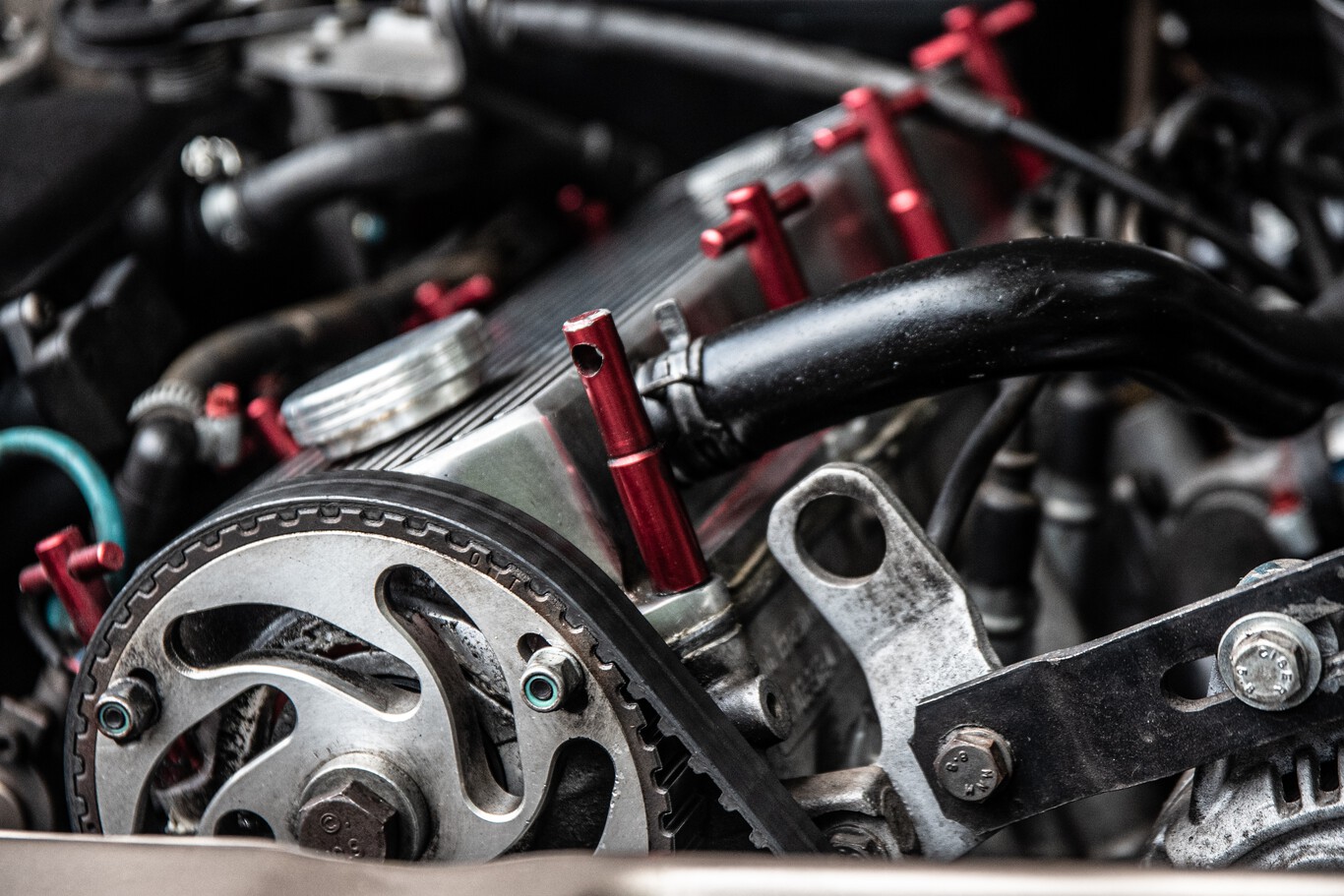
Timing belts designed to operate while submerged in oil present a significant hurdle for automotive manufacturers and the technicians responsible for vehicle upkeep.
Several high-profile engines utilize this specific configuration, including:
- Ford 1.0 EcoBoost
- PSA 1.2 PureTech
- VW 1.0 TFSI
Why Use Submerged Belts?
Integrating the belt into the oil system offers several engineering advantages:
-
Lower Friction: Friction levels can be cut by nearly 20%.
-
Efficiency: Improved fuel economy and a reduction in CO2 output.
-
Production Costs: A lighter overall design helps manufacturers lower expenses.
-
Extended Service Life: Theoretical maintenance intervals are pushed from 120,000 km to as much as 200,000 km.
The Hidden Risks of This Technology
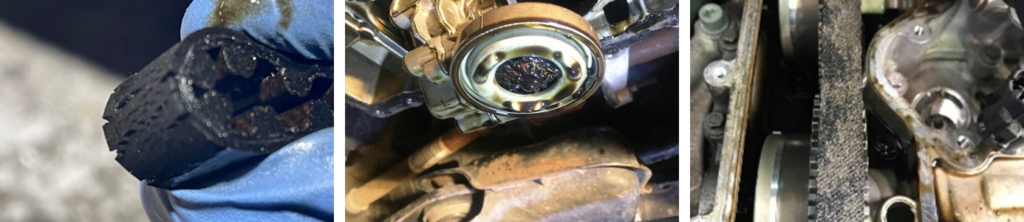
Despite the theoretical benefits, these belts often suffer from premature degradation, sometimes failing before the 60,000 km mark. As the belt breaks down, debris mixes with the oil to form a thick sludge. This residue frequently blocks the oil pickup tube and other vital passages.
Such an obstruction can lead to catastrophic engine failure, with repair bills often exceeding €4,000 to replace the oil pump, the turbocharger, and the timing assembly itself.
What Causes the Degradation?
The primary culprit is chemical contamination. Modern gasoline often contains roughly 5% bioethanol. In direct-injection systems, unburnt fuel can seep past components and mix with the oil in the crankcase. The acetic acid found in bioethanol reacts with the belt material, causing it to weaken and eventually disintegrate.
Preservation and Prevention Strategies
The most effective way to protect the belt is to ensure the motor oil remains free of contaminants.
1. Deep Cleaning the Lubrication System
It is essential to flush the engine during every oil service to remove residual acetic acid.
-
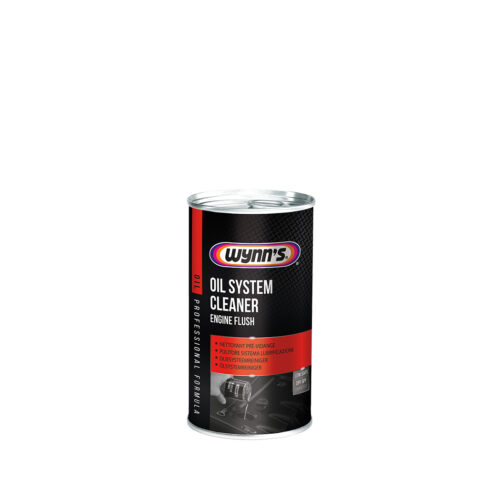
Application: Pour one bottle of Oil System Cleaner into the crankcase (suitable for 3 to 6 liters of oil) before the service.
-
Process: Let the engine idle for 20 minutes.
-
Final Step: Drain the old oil, replace the filter, and add fresh lubricant.
2. Enhancing Oil Resilience
To further safeguard the system, you can treat the new oil to better neutralize acids and reduce internal wear.
-
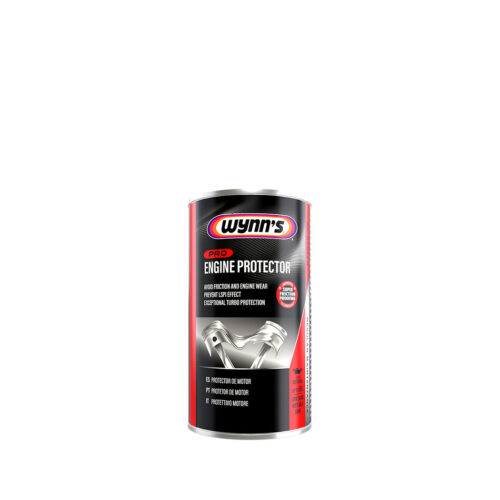
Application: Add one bottle of PRO Engine Protector to the fresh oil.
-
Note: Ensure the total fluid volume does not exceed the maximum fill line. This should be repeated at every oil change.
3. Injector Maintenance
Maintaining clean fuel injectors is a critical, yet often overlooked, step. Distorted spray patterns lead to incomplete combustion, which forces more raw fuel into the oil system. Periodically using a high-quality injector cleaner helps maintain engine performance and limits oil dilution.
Leave A Comment